Last Updated on November 11, 2025 by Matthew Goodchild
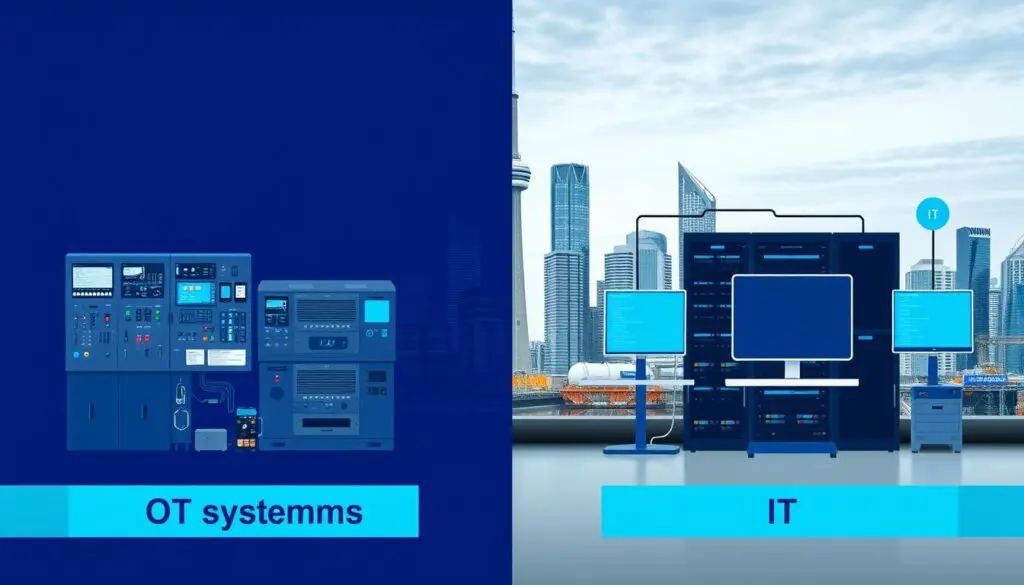
Toronto’s manufacturing sector is experiencing a significant transformation as operational technology (OT) and information technology (IT) systems increasingly converge. This integration, while offering tremendous opportunities for efficiency and innovation, presents unique challenges that manufacturing leaders must navigate carefully. Understanding the fundamental differences between OT and IT is no longer optional—it’s essential for operational continuity and competitive advantage in the Greater Toronto Area’s evolving industrial landscape.
As manufacturing processes become more connected and data-driven, the traditional boundaries between shop floor technologies and business information systems continue to blur. This convergence is reshaping how Toronto manufacturers approach everything from production planning to cybersecurity protocols. Let’s explore the critical distinctions between these two technological domains and why they matter for your manufacturing operation.
Understanding OT vs IT Differences in Manufacturing Toronto
What is Information Technology (IT) in Manufacturing?
Information Technology (IT) encompasses the systems and infrastructure that manage business data and support information-based operations. In Toronto manufacturing environments, IT typically includes:
- Enterprise Resource Planning (ERP) systems that manage orders, inventory, and financials
- Customer Relationship Management (CRM) platforms
- Office networks, computers, and business applications
- Data centers and cloud computing resources
- Business intelligence and analytics tools
IT systems in manufacturing primarily focus on data processing, storage, and communication to support business decision-making and administrative functions. They operate on standard computing platforms and typically follow regular update and security protocols.
What is Operational Technology (OT) in Manufacturing?
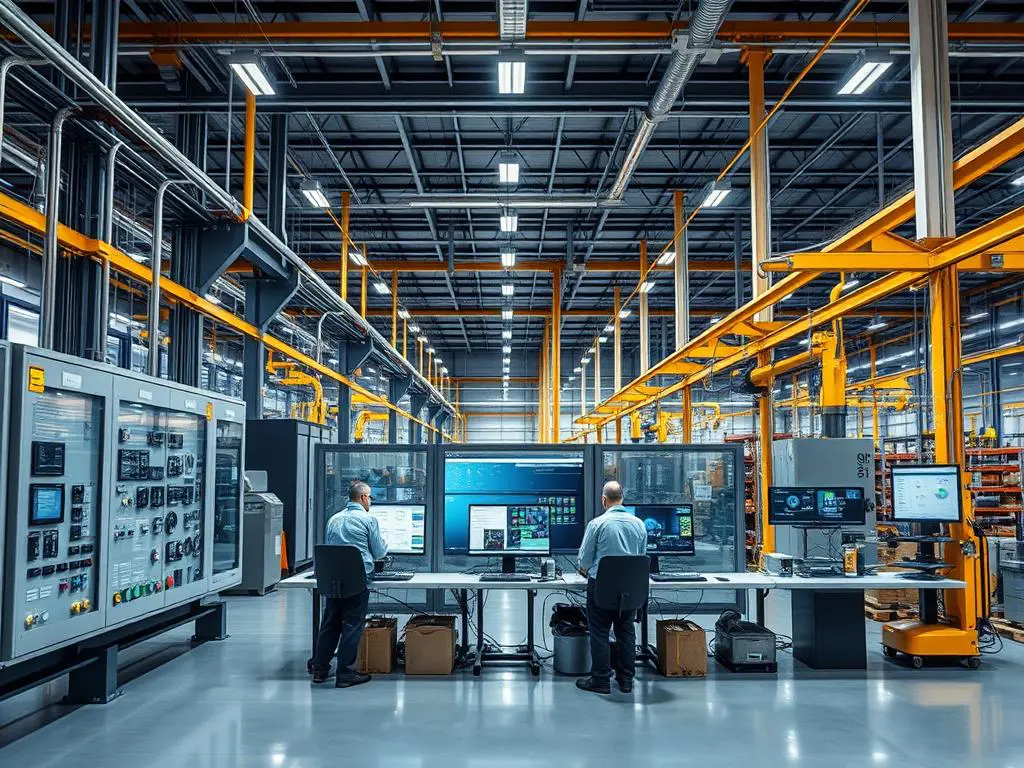
Operational Technology (OT) refers to the hardware and software systems that monitor and control physical devices, processes, and infrastructure in industrial environments. In Toronto manufacturing facilities, OT includes:
- Programmable Logic Controllers (PLCs) controlling production equipment
- Supervisory Control and Data Acquisition (SCADA) systems
- Industrial Control Systems (ICS) managing production lines
- Human-Machine Interfaces (HMIs) for operator interaction
- Sensors and actuators throughout the production environment
OT systems directly interface with physical machinery and processes, focusing on reliability, safety, and continuous operation. They often run on specialized, proprietary platforms designed for industrial applications rather than general computing.
Key Differences Between OT and IT Systems
Understanding the fundamental differences between OT and IT is crucial for Toronto manufacturers looking to integrate these systems effectively. Here are the critical distinctions:
1. Primary Purpose and Focus
IT Systems
IT systems in Toronto manufacturing facilities focus primarily on data management, business processes, and information security. Their main objective is to ensure data integrity, availability, and confidentiality while supporting business operations and decision-making processes.
OT Systems
OT systems prioritize the control and monitoring of physical processes and equipment. Their primary focus is on operational reliability, safety, and the continuous functioning of industrial processes. In Toronto’s manufacturing sector, even momentary disruptions can result in significant production losses.
2. Communication Protocols
IT Systems
IT networks typically use standard protocols like TCP/IP, HTTP, and HTTPS. These protocols are designed for reliable data transfer and are widely supported across various platforms and devices used in business environments.
OT Systems
OT environments often employ specialized industrial protocols such as Modbus, Profinet, and EtherNet/IP. These protocols are optimized for real-time control and deterministic communication between industrial devices, prioritizing consistent timing over high throughput.
3. Security Requirements
IT Systems
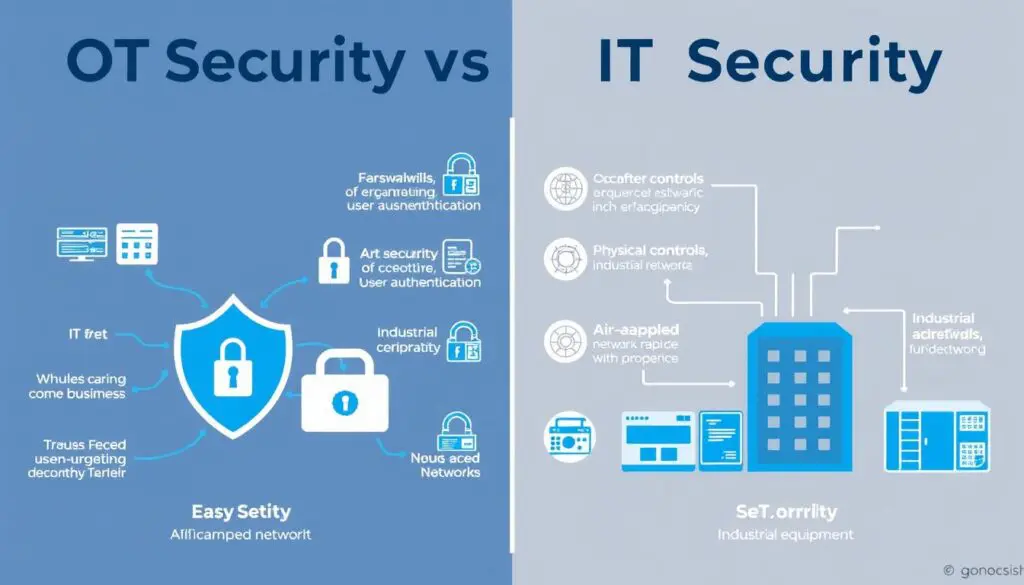
IT security prioritizes data confidentiality and integrity, implementing measures like regular patching, antivirus solutions, and user authentication. Toronto manufacturers typically follow standard IT security frameworks and can implement updates with minimal business impact.
OT Systems
OT security emphasizes availability and safety above all else. Security measures must not interfere with operational continuity. Traditional IT security approaches like frequent patching and system reboots can be problematic in OT environments where downtime directly impacts production.
4. Lifecycle Management
IT Systems
IT equipment typically has a 3-5 year lifecycle with regular updates and replacements. Software receives frequent patches and upgrades, and Toronto manufacturers generally budget for regular technology refreshes to maintain competitive business systems.
OT Systems
OT systems often have lifecycles extending 15-20 years or more. Equipment may remain in service for decades, creating challenges when integrating with modern IT systems. Many Toronto manufacturing facilities still operate critical production equipment that was installed long before current networking technologies.
5. Real-Time vs. Batch Processing
IT Systems
IT systems typically process data in batches or near-real-time, with some latency being acceptable for most business applications. Response times measured in seconds or minutes are often sufficient for business decision-making.
OT Systems
OT environments demand real-time processing with deterministic response times. In Toronto manufacturing operations, control systems often require millisecond-level responsiveness to maintain production quality and safety standards.
6. Environmental Considerations
IT Systems
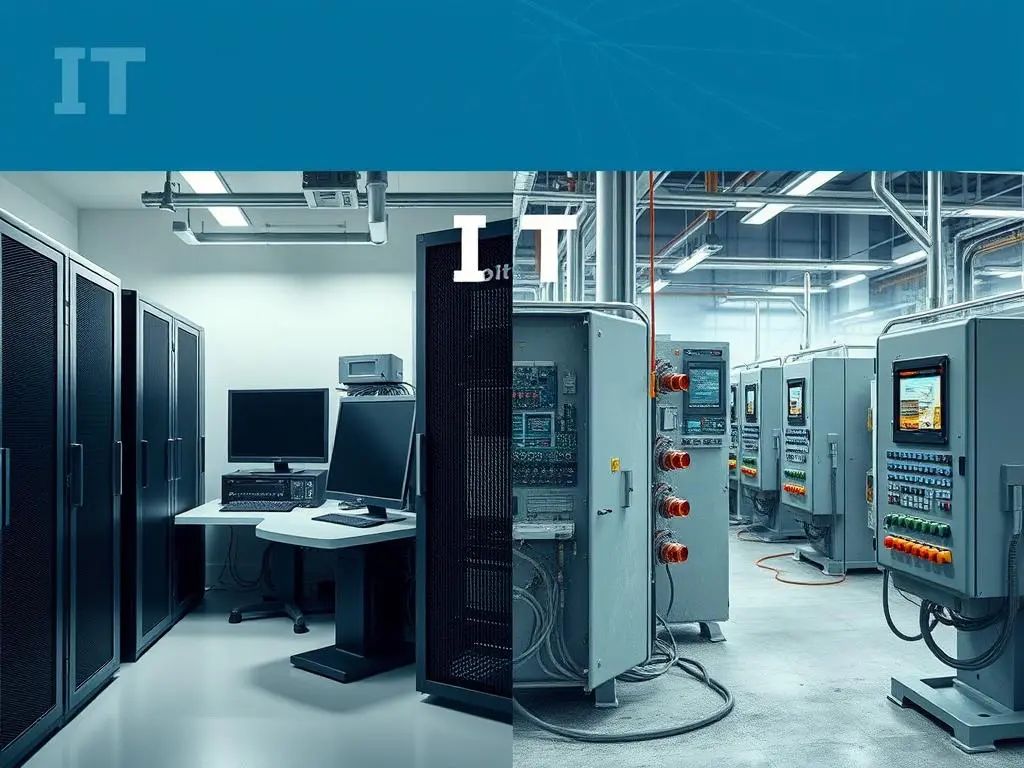
IT equipment is designed for controlled environments like offices and data centers with regulated temperature and humidity. Standard IT hardware used by Toronto manufacturers isn’t built to withstand harsh industrial conditions.
OT Systems
OT devices are engineered to operate reliably in challenging industrial environments with exposure to dust, vibration, temperature extremes, and electromagnetic interference common in Toronto manufacturing facilities.
7. Operational Priorities
IT Systems
IT priorities include data security, system scalability, and feature enhancements. Downtime can often be scheduled during off-hours to minimize business impact.
OT Systems
OT priorities revolve around reliability, safety, and continuous operation. For Toronto manufacturers, production downtime directly impacts revenue, making system availability the paramount concern.
Why Understanding OT vs IT Differences Matters for Toronto Manufacturers
The distinction between OT and IT isn’t merely academic—it has profound implications for manufacturing operations in the Greater Toronto Area:

Operational Efficiency and Productivity
When OT and IT systems are properly integrated with an understanding of their differences, Toronto manufacturers can achieve significant operational improvements. Real-time data from the shop floor can inform business decisions, while business systems can help optimize production scheduling and resource allocation.
Cybersecurity Risk Management
As manufacturing systems become more connected, they also become more vulnerable to cyber threats. Toronto manufacturers must develop security strategies that address both IT and OT environments without compromising operational requirements. Understanding the unique security needs of each domain is essential for effective risk management.
Investment Planning and ROI
Technology investments must account for the different lifecycle expectations and operational requirements of OT and IT systems. Toronto manufacturers who understand these differences can make more informed decisions about capital expenditures and avoid costly integration failures.
Talent Development and Management
The skills required to manage OT and IT systems differ significantly. Toronto manufacturers need to develop talent strategies that address both domains, either through specialized teams or by cross-training personnel to bridge the gap between operational and information technologies.
Integration Challenges for Toronto Manufacturing Environments
Toronto’s diverse manufacturing sector faces several specific challenges when integrating OT and IT systems:
Legacy Equipment in Established Facilities
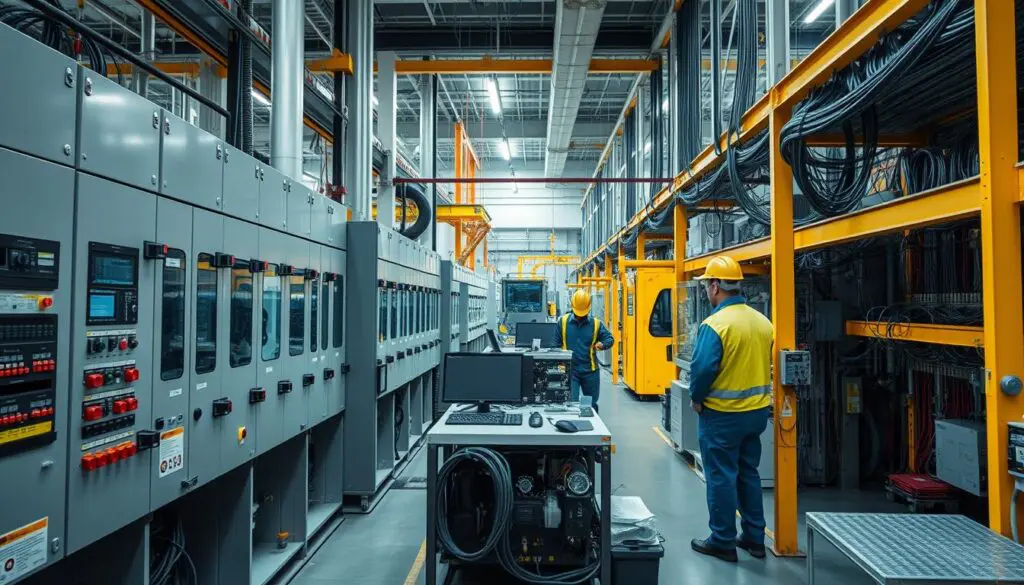
Many Toronto manufacturing operations have been in place for decades, with substantial investments in legacy OT systems that weren’t designed for network connectivity. Integrating these systems with modern IT infrastructure requires specialized approaches and often custom solutions.
Regulatory Compliance Across Domains
Toronto manufacturers must navigate complex regulatory requirements spanning both OT and IT domains. From safety standards governing industrial equipment to data privacy regulations affecting business information, compliance demands a comprehensive understanding of both technological environments.
Skilled Workforce Shortages
The Greater Toronto Area faces a growing shortage of professionals with expertise in both OT and IT systems. This skills gap makes it challenging for manufacturers to implement and maintain integrated technology environments effectively.
Supply Chain Integration Pressures
Toronto’s position as a manufacturing hub means local companies must integrate not only their internal OT and IT systems but also connect with supply chain partners. This extended integration adds complexity and potential security vulnerabilities that must be carefully managed.
Best Practices for OT-IT Integration in Toronto Manufacturing
Successfully bridging the gap between OT and IT requires a strategic approach tailored to your manufacturing environment:
Develop a Unified Technology Strategy
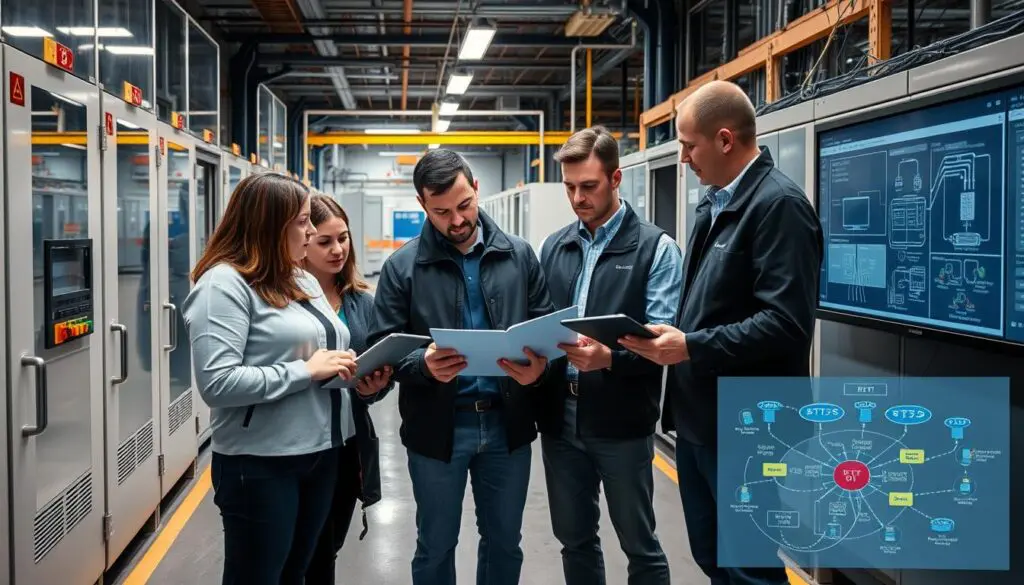
Create a comprehensive strategy that acknowledges the differences between OT and IT while establishing a framework for integration. This strategy should involve stakeholders from both domains and align with overall business objectives specific to your Toronto manufacturing operation.
Implement Proper Network Segmentation
Establish clear boundaries between OT and IT networks with appropriate security controls at connection points. This segmentation helps contain potential security incidents and prevents operational disruptions while enabling necessary data exchange between systems.
Prioritize Security Without Compromising Operations
Develop security approaches that respect the operational requirements of manufacturing systems. This might include passive monitoring solutions, scheduled vulnerability management during planned downtime, and defense-in-depth strategies tailored to industrial environments.
Build Cross-Functional Teams
Foster collaboration between OT and IT personnel through cross-functional teams and knowledge sharing. Toronto manufacturers that break down silos between these domains can more effectively address integration challenges and develop innovative solutions.
Start with High-Value, Low-Risk Projects
Begin your OT-IT integration journey with projects that offer clear business value while minimizing operational risk. Early successes build confidence and provide valuable learning experiences for more complex integration initiatives.
Toronto Manufacturing Success Story: OT-IT Integration
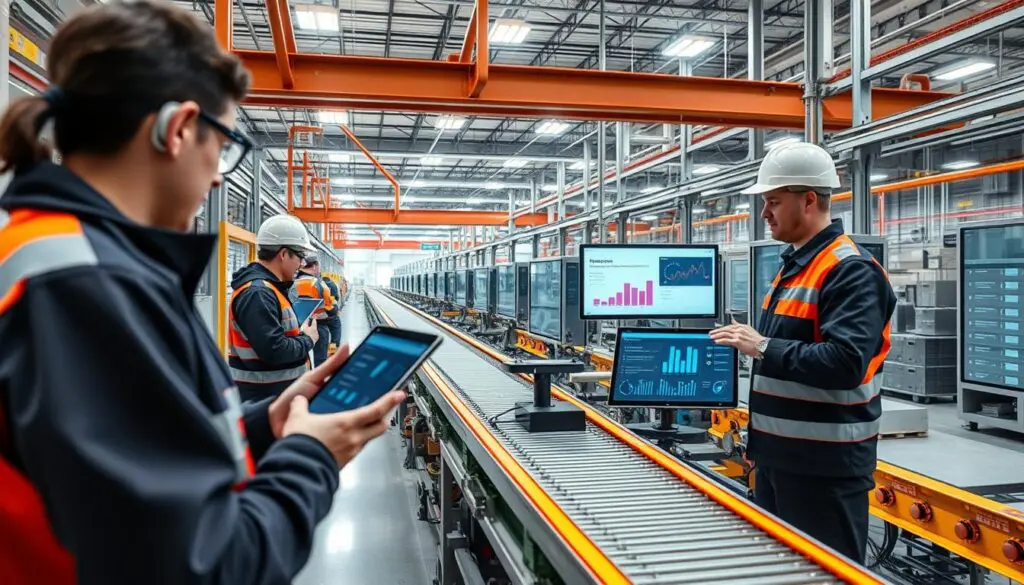
A precision components manufacturer in the Greater Toronto Area faced significant challenges with production visibility and scheduling efficiency. Their legacy OT systems operated in isolation from business planning tools, resulting in frequent production delays and inventory management issues.
By implementing a carefully planned OT-IT integration strategy, the company established secure data flows between shop floor systems and business applications. This integration enabled real-time production monitoring, predictive maintenance scheduling, and automated inventory management.
The results were transformative: production efficiency increased by 27%, unplanned downtime decreased by 35%, and inventory carrying costs were reduced by 22%. Most importantly, the integration was achieved without disrupting ongoing operations or compromising system security.
Key to their success was a thorough understanding of the fundamental differences between their OT and IT environments and a phased implementation approach that respected operational priorities while delivering incremental business value.
Future Trends in OT-IT Convergence for Toronto Manufacturers
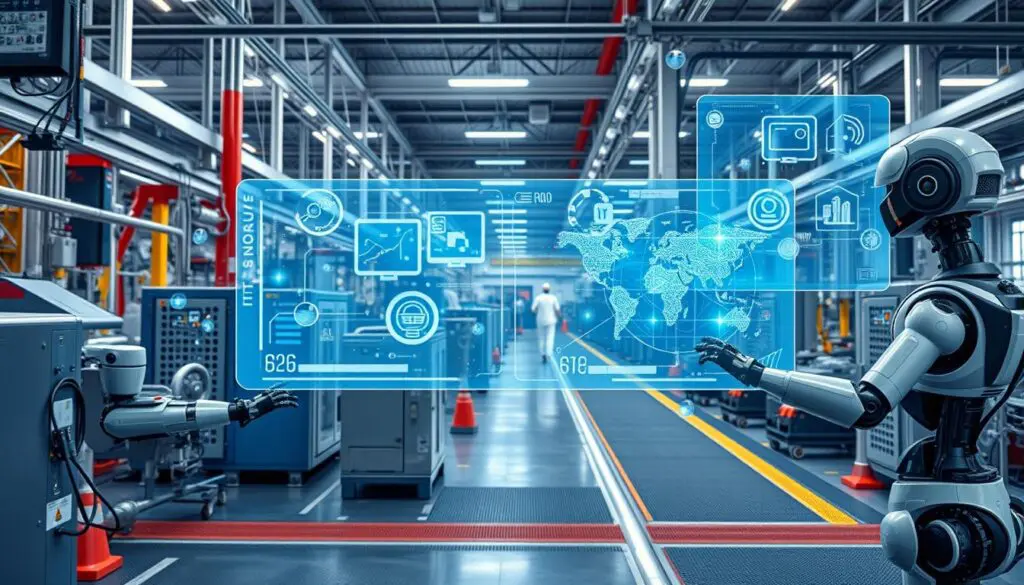
As technology continues to evolve, Toronto manufacturers can expect several emerging trends in the OT-IT landscape:
Edge Computing in Manufacturing
Edge computing architectures will increasingly bridge the gap between OT and IT by processing data closer to production equipment. This approach reduces latency for time-sensitive applications while minimizing bandwidth requirements for data transmission to central systems.
AI and Machine Learning Applications
Advanced analytics powered by AI will extract greater value from integrated OT-IT data, enabling predictive maintenance, quality optimization, and automated decision-making in manufacturing operations.
Digital Twins for Production Systems
Toronto manufacturers will increasingly adopt digital twin technology to create virtual replicas of physical production environments. These digital models facilitate simulation, optimization, and troubleshooting without disrupting actual operations.
5G Connectivity for Industrial Applications
The rollout of 5G networks across the Greater Toronto Area will enable new possibilities for OT-IT integration, supporting more connected devices, lower latency communications, and greater flexibility in manufacturing network design.
Taking the Next Step in Your OT-IT Integration Journey
Understanding the fundamental differences between OT and IT systems is the essential first step toward successful technology integration in manufacturing environments. For Toronto manufacturers, this knowledge provides the foundation for strategic decisions about infrastructure investments, security approaches, and operational improvements.
As the manufacturing landscape continues to evolve, companies that effectively bridge the gap between operational and information technologies will gain significant competitive advantages through improved efficiency, enhanced visibility, and greater agility in responding to market demands.